

Skip to content

Solutions

Additive Manufacturing Solutions for Real Production Needs

Engineering expertise applied to the challenges of modern manufacturing.

Every manufacturing challenge has its own requirements.

A difficult-to-source component, a recurring quality issue, or a specialized production need may call for a solution that conventional products or processes weren't designed to provide.

At JEL Solutions, we combine engineering expertise, practical manufacturing experience, and additive manufacturing capabilities to evaluate these challenges and develop application-specific solutions.

Whether you're exploring a potential improvement or already have a defined part in mind, we work to understand what the application needs to accomplish and determine an appropriate path forward.

Your Manufacturing Challenge Is Our Starting Point.

Sometimes the opportunity isn't obvious until you look beyond the existing part or process.

Manufacturing teams regularly encounter challenges that are difficult to resolve with standard components, available resources, or conventional approaches.

These challenges may affect production efficiency, product quality, component availability, or the ability to implement worthwhile improvements.

JEL works with manufacturers to investigate these situations and determine where engineering-led additive manufacturing may offer a practical alternative.

  • Components That Are Difficult to Source or Replace

    A specialized component may be expensive, unavailable, or unsuitable for the application.

    JEL can evaluate whether an engineered additive manufacturing alternative could meet the intended requirements.

  • Tooling That Doesn't Fit the Application

    Standard fixtures, supports, and production tools may not accommodate unusual geometries, handling requirements, or specific workflows.

    Custom applications can be developed around the needs of the operation.

  • Recurring Damage, Defects, or Handling Problems

    When components are damaged during movement, positioning, or production, the issue may involve more than the component itself.

    Understanding the surrounding process can reveal opportunities for application-specific engineering.

  • Production and Assembly Inefficiencies

    The way parts are positioned, organized, transported, or presented to workers can create unnecessary complexity.

    Purpose-built components and production aids may help address those requirements.

  • Engineering Resources and Design Constraints

    Internal manufacturing and engineering teams have competing priorities.

    JEL can collaborate with customers to evaluate specialized applications, consider design alternatives, and develop appropriate solutions for agreed project requirements.

From Manufacturing Problems to Practical Applications.

Engineering-led support for different stages of application development and production.

Not every customer begins with the same requirements.

Some manufacturers need help investigating an operational challenge. Others have a design, component, or production application that needs to be developed or manufactured.

JEL's solutions bring engineering and additive manufacturing together across three connected areas.

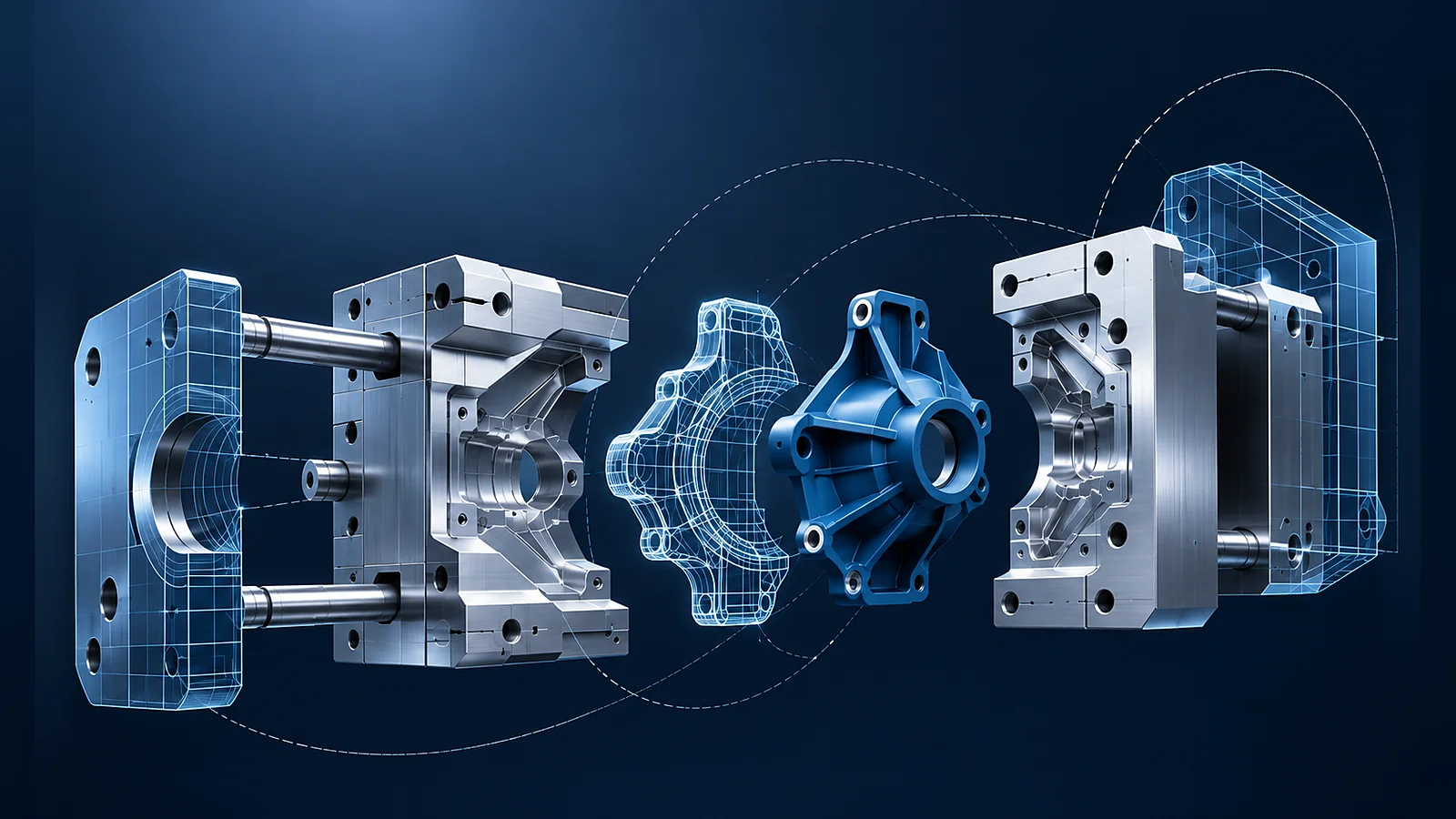
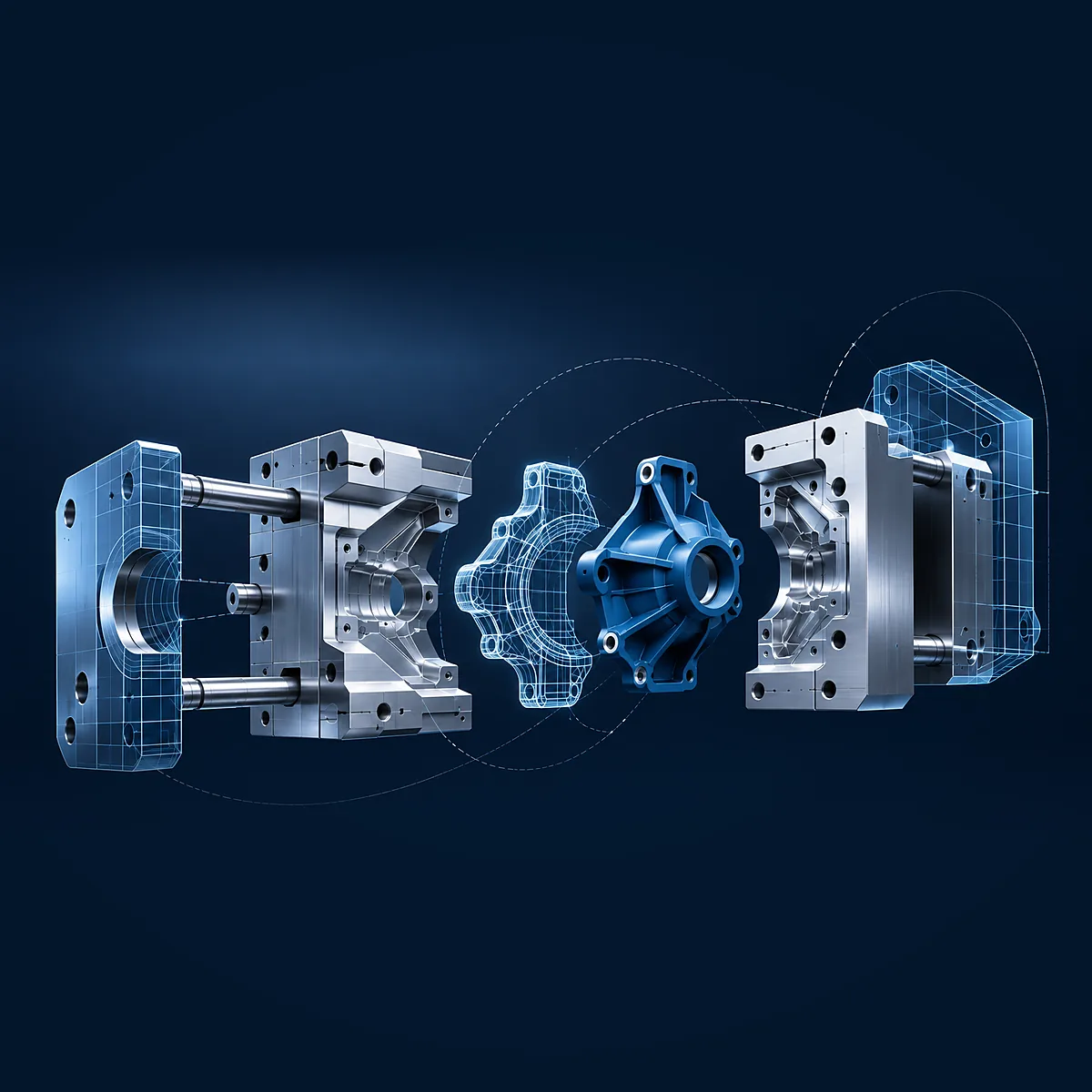
Illustration of mold tooling in an exploded view, with the molded part shown as a wireframe and as a finished blue part

Manufacturing Problem Solving & Engineered Solutions

When you know the problem but need help identifying the right approach.

Some of the most valuable manufacturing applications begin with a question rather than a finished design.

JEL works with customers to understand the operating environment, evaluate technical requirements, and identify opportunities where additive manufacturing may offer a suitable solution.

Our engineering-led approach considers the application as a whole, including how the component interacts with existing equipment, processes, and people.

  • Custom production tooling and fixtures
  • Specialized component interfaces
  • Material-handling and transport applications
  • Quality-related and error-prevention applications
  • Application-specific design challenges
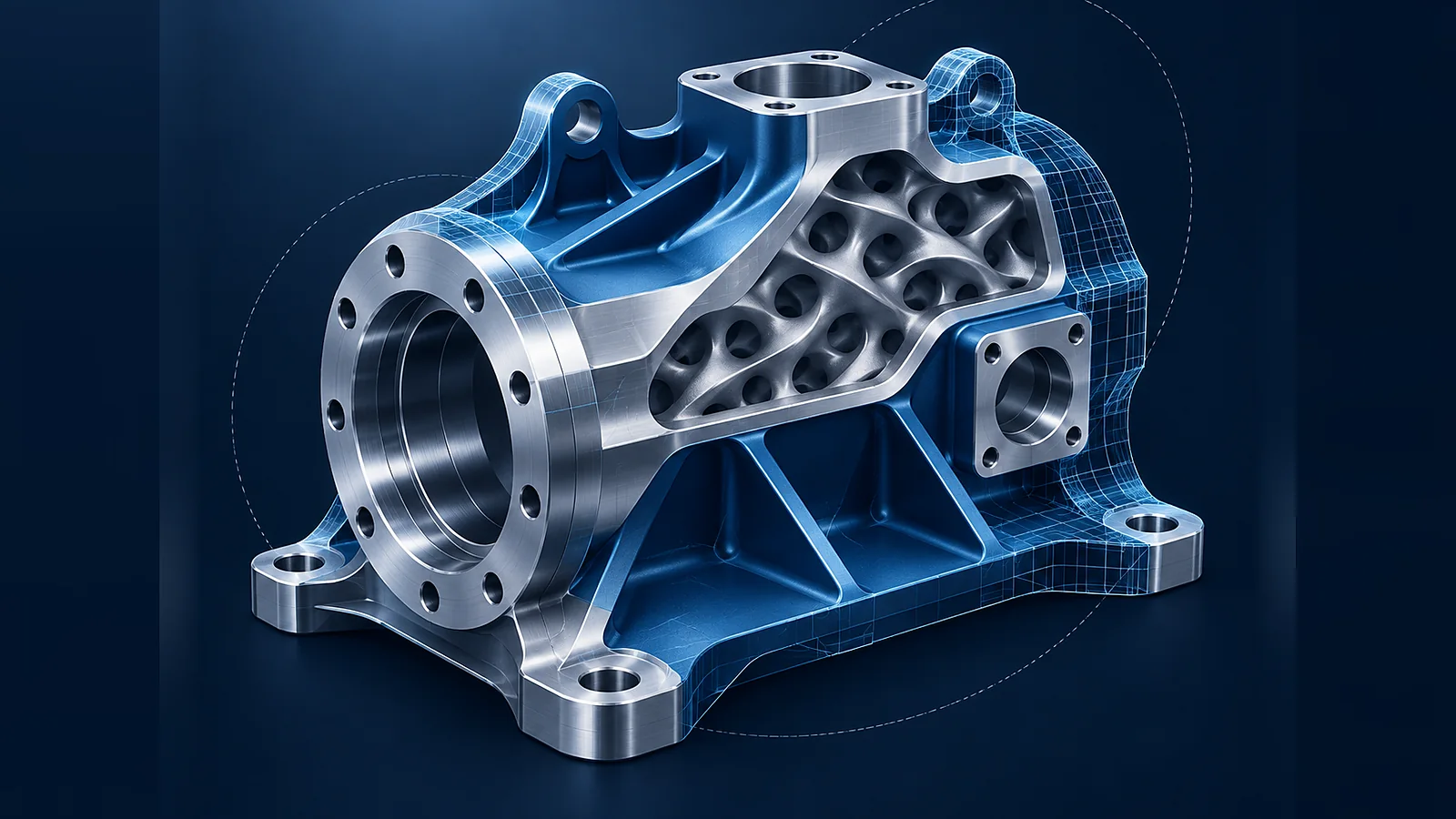
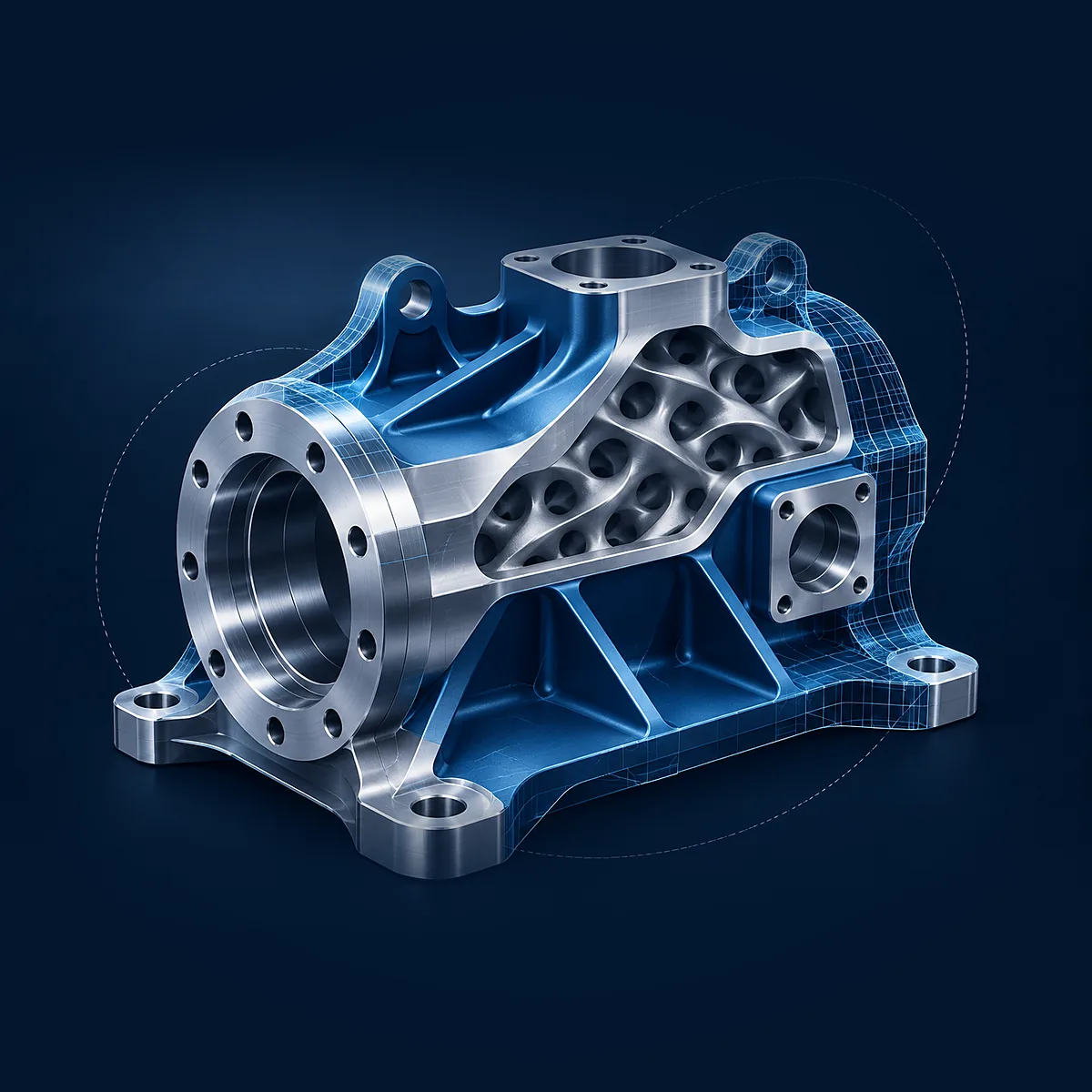
Illustration of a custom housing component with a lattice panel, part machined metal and part shown as a blue design model

Additive Manufacturing & Custom Components

Purpose-built components developed around your application requirements.

When a customer has an existing design or defined production need, JEL can evaluate the requirements and explore appropriate additive manufacturing solutions.

We develop and manufacture specialized components, tools, fixtures, and industrial applications, incorporating engineering review and design refinement where appropriate.

Our focus is on producing components suited to their intended application, not simply reproducing a geometry without considering how it will be used.

  • Custom manufactured components
  • Specialized replacement parts
  • Production fixtures and tooling
  • Industrial supports and interfaces
  • Components requiring application-specific geometry
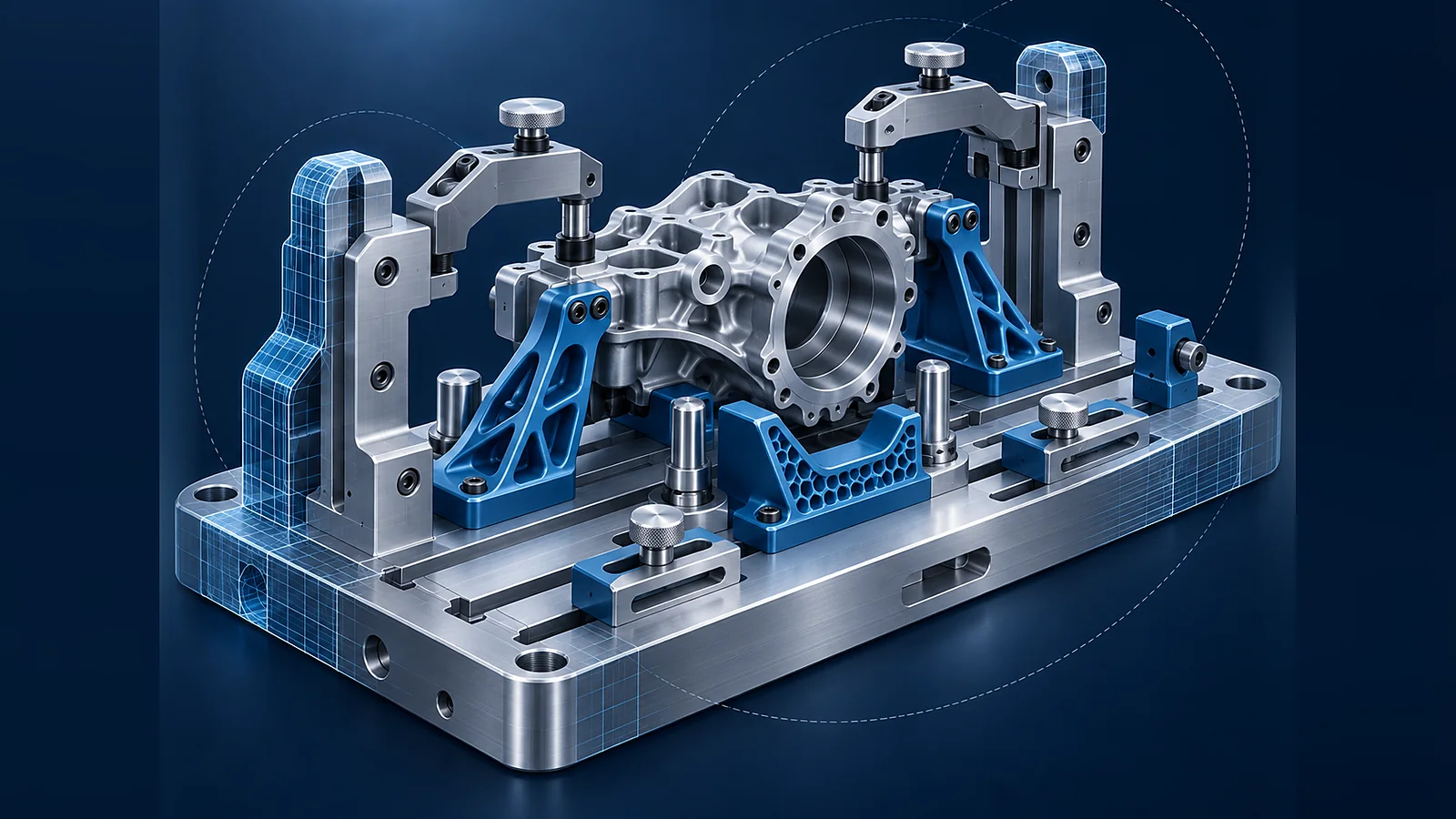
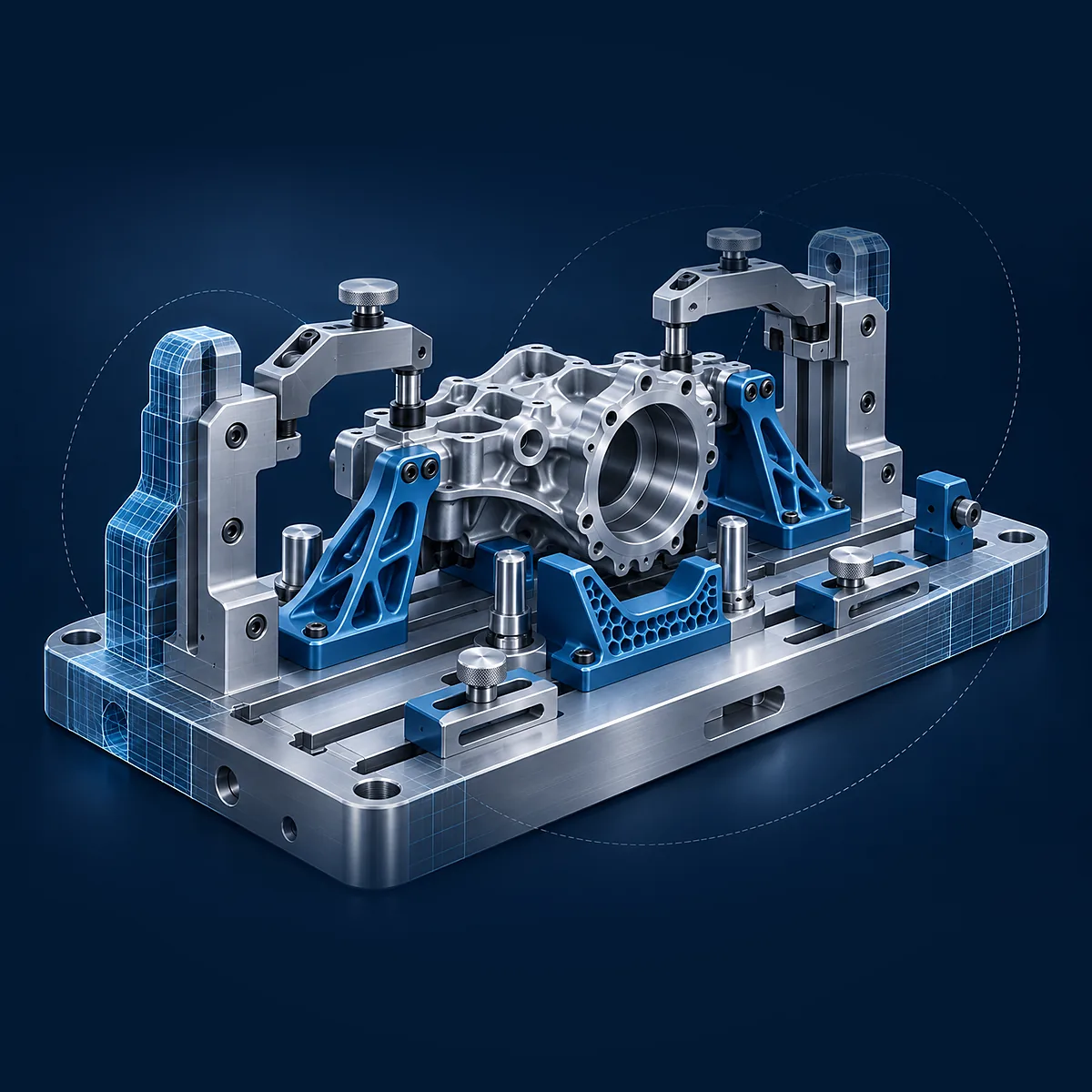
Illustration of a production fixture with clamps and blue supports holding a metal part on a base plate

Production Support & Continuous Application Improvement

Building on successful applications as manufacturing needs evolve.

An engineered application doesn't always end with the first manufactured component.

As customers evaluate and use a solution, new requirements or opportunities may emerge.

JEL supports appropriate repeat production, design revisions, and ongoing application development, helping customers build on existing work where continued collaboration makes sense.

Continuous Improvement principles inform how we evaluate applications and identify opportunities for refinement.

  • Repeat production of approved components
  • Design modifications and refinements
  • Adaptations for related applications
  • Engineering collaboration on existing solutions
  • Evaluation of additional production opportunities

Where Additive Manufacturing Meets Real Manufacturing Needs.

Explore common application areas where purpose-built engineering and manufacturing solutions may offer value.

Additive manufacturing can make it possible to develop specialized geometries and components for applications that are difficult to address with standard products.

The value of an application depends on its requirements, operating conditions, technical feasibility, and economics.

JEL evaluates these factors to identify appropriate opportunities.

The following six groups illustrate manufacturing needs that may benefit from an engineering-led approach. These application categories are distinct from the manufacturing problems introduced above.

Production Tooling & Fixtures

Purpose-built tools for specialized production requirements.

Production operations often rely on fixtures, guides, supports, and tools that must fit particular parts, machines, or processes.

Additive manufacturing may provide opportunities to develop custom tooling around the geometry and functional requirements of an application.

Relevant JEL Example: Hybrid Lifting Fixtures

Example Applications

  • Custom positioning and holding fixtures
  • Production guides and supports
  • Specialized assembly tooling
  • Application-specific tooling interfaces

Material Handling & Transport

Components designed around how materials and assemblies move.

Industrial components may require specialized support, protection, positioning, or handling during production and transportation.

Engineering-led additive manufacturing can be considered for custom interfaces and supports designed around these requirements.

Relevant JEL Example: Custom Transport Supports

Example Applications

  • Custom transport supports
  • Component positioning aids
  • Protective interfaces
  • Specialized handling components

Custom & Replacement Components

Specialized parts when conventional options don't fit the need.

Some components have unusual geometries, limited availability, or application requirements that standard products cannot readily address.

JEL can evaluate existing designs, replacement needs, and new component requirements to determine whether an additive manufacturing approach is technically appropriate.

Technical Note: Material properties, loading conditions, tolerances, environment, and intended use must be evaluated before a component can be considered suitable.

Example Applications

  • Specialized replacement components
  • Custom industrial parts
  • Modified component geometries
  • Application-specific interfaces

Quality & Error Prevention

Engineering applications that address recurring handling and process concerns.

Manufacturing quality can be affected by how components are positioned, contacted, transported, or used.

Custom tooling, supports, and engineered interfaces may help address particular sources of damage, inconsistency, or process error.

Technical Note: These applications may support quality objectives, but actual performance improvements require appropriate evaluation and evidence.

Example Applications

  • Component protection and positioning
  • Custom contact surfaces
  • Handling and alignment aids
  • Application-specific error-prevention features

Assembly & Workflow Support

Purpose-built applications for the way work gets done.

Manufacturing and assembly processes depend on effective organization, access, presentation, and handling of components.

Custom-designed production aids can be developed around the requirements of specific workflows.

Relevant JEL Example: The Hardware Cube

Example Applications

  • Component organization systems
  • Assembly support aids
  • Custom parts holders
  • Workstation-specific fixtures

Design Optimization & Application Improvement

Rethinking the design when the application calls for a better approach.

A design that works with one manufacturing method may not take full advantage of the possibilities offered by another.

JEL can evaluate application requirements and explore design refinements where additive manufacturing offers relevant technical or practical opportunities.

Technical Note: Design changes must be evaluated against the application's functional and performance requirements. Any claims of reduced production time, cost, material usage, or other improvements must be verified.

Example Applications

  • Geometry and interface refinements
  • Design adjustments for manufacturability
  • Improvements to existing applications
  • Adaptations for changing requirements

Engineering in Action.

A closer look at how specialized manufacturing needs translate into tangible applications.

The most useful examples of additive manufacturing show more than a finished component.

They demonstrate how a design relates to the requirements of a particular manufacturing environment.

These JEL projects illustrate different ways engineering and additive manufacturing can be applied to practical industrial needs.

Material Handling & Transport

Custom Transport Supports

JEL developed specialized transport supports around the handling requirements of a large industrial assembly.

The application illustrates how custom additively manufactured components can be considered for specific support and transportation needs.

Production Tooling & Fixtures

Hybrid Lifting Fixtures

This application brings conventional metal structural elements together with custom additively manufactured interfaces.

It demonstrates an engineering approach that considers the appropriate role of different manufacturing methods within a specialized fixture.

Assembly & Workflow Support

The Hardware Cube

JEL developed a custom hardware-organization application designed around component accessibility and assembly needs.

It illustrates how additive manufacturing can be applied to specialized workflow-support requirements.

Understand the Technology Behind the Application.

Making an informed manufacturing decision begins with understanding the possibilities and limitations.

Additive manufacturing provides different design and production possibilities than many conventional manufacturing methods, but it isn't the right solution for every application.

Process selection, material properties, functional requirements, design considerations, and the operating environment all influence technical suitability.

JEL approaches these considerations as part of evaluating the intended application.

If you're exploring additive manufacturing for the first time, or want to better understand where it may fit your manufacturing requirements, start with the following resources.

  • What Is Additive Manufacturing?

    Learn how additive manufacturing works, where it is commonly applied, and what engineers consider when evaluating its suitability for industrial applications.

  • Materials & Design Considerations

    Explore the relationship between materials, manufacturing processes, component design, and application requirements.

  • Our Engineering Approach

    See how JEL approaches manufacturing challenges through discovery, engineering evaluation, customer collaboration, and practical implementation.

Have a Manufacturing Challenge Worth Exploring?

Start with the problem, the part, or the application. We'll help determine the next step.

You don't need a completed design to begin a conversation with JEL.

Whether you're investigating a recurring production issue, considering a specialized component, or looking for a manufacturing alternative, we're interested in understanding what you're trying to accomplish.

Share the information you have, and we'll review the requirements to determine an appropriate next step.

Explore a Manufacturing Challenge

Tell us about the operational issue, application requirements, or improvement opportunity you'd like to investigate.

Discuss a Defined Part or Project

Already have a component, design, or specific production requirement? Share the details you'd like JEL to review.

Not sure which pathway fits? Choose the option closest to your situation. You can begin with the information currently available.